
The Nature of Luck in Gambling
Luck is often depicted as a whimsical force that can dramatically influence the outcomes of various games in a casino. While some players swear by their lucky charms or specific rituals performed before placing bets, the reality is that luck operates within the confines of probability and randomness. In games like slots, card games, and roulette, luck plays a crucial role because the outcomes are largely determined by chance rather than skill. Many enthusiasts enjoy the thrill of pursuing their favorite games at an australian online casino , where this randomness can create winning streaks that seem uncanny but are simply statistical phenomena that occur over a limited number of plays.
Understanding how luck interacts with games of chance is essential for players. While luck can lead to unexpected winnings, it can just as easily result in losses. Casinos are built around these probabilities, ensuring that the house has an edge, which means that luck alone cannot guarantee success. Players often experience euphoric highs when luck is on their side, but it’s essential to realize that the odds are always in favor of the casino in the long run. This acknowledgment can help players maintain a balanced perspective and avoid chasing losses based solely on the hope of a lucky turn.
The perception of luck can also vary between players. Some may regard themselves as lucky and feel more confident when betting, while others might feel that bad luck follows them, creating a psychological barrier to enjoyment. This subjective experience of luck can greatly influence how individuals approach their gaming sessions. Thus, understanding one’s viewpoint on luck can shape their gambling behavior, impacting their decisions and ultimately their experience in the casino environment.
The Role of Skill versus Luck
In many casino games, the debate between skill and luck often arises. For instance, games like poker and blackjack incorporate elements of skill, allowing players to employ strategies that can improve their odds. Skilled players who understand the intricacies of these games can mitigate the role of luck to some extent, making calculated decisions that lead to better outcomes. In contrast, games such as slots or roulette are purely reliant on chance, where players have no control over the results, emphasizing the significance of luck.
The balance between skill and luck can lead to diverse experiences for players. A skilled player in poker can leverage their knowledge of the game to outmaneuver opponents, while an inexperienced player may rely heavily on luck to navigate through the same situation. This distinction is essential to recognize as it highlights the various strategies players can adopt based on the game they choose. Understanding when luck is the primary factor versus when skill can be employed is vital for long-term success in the casino.
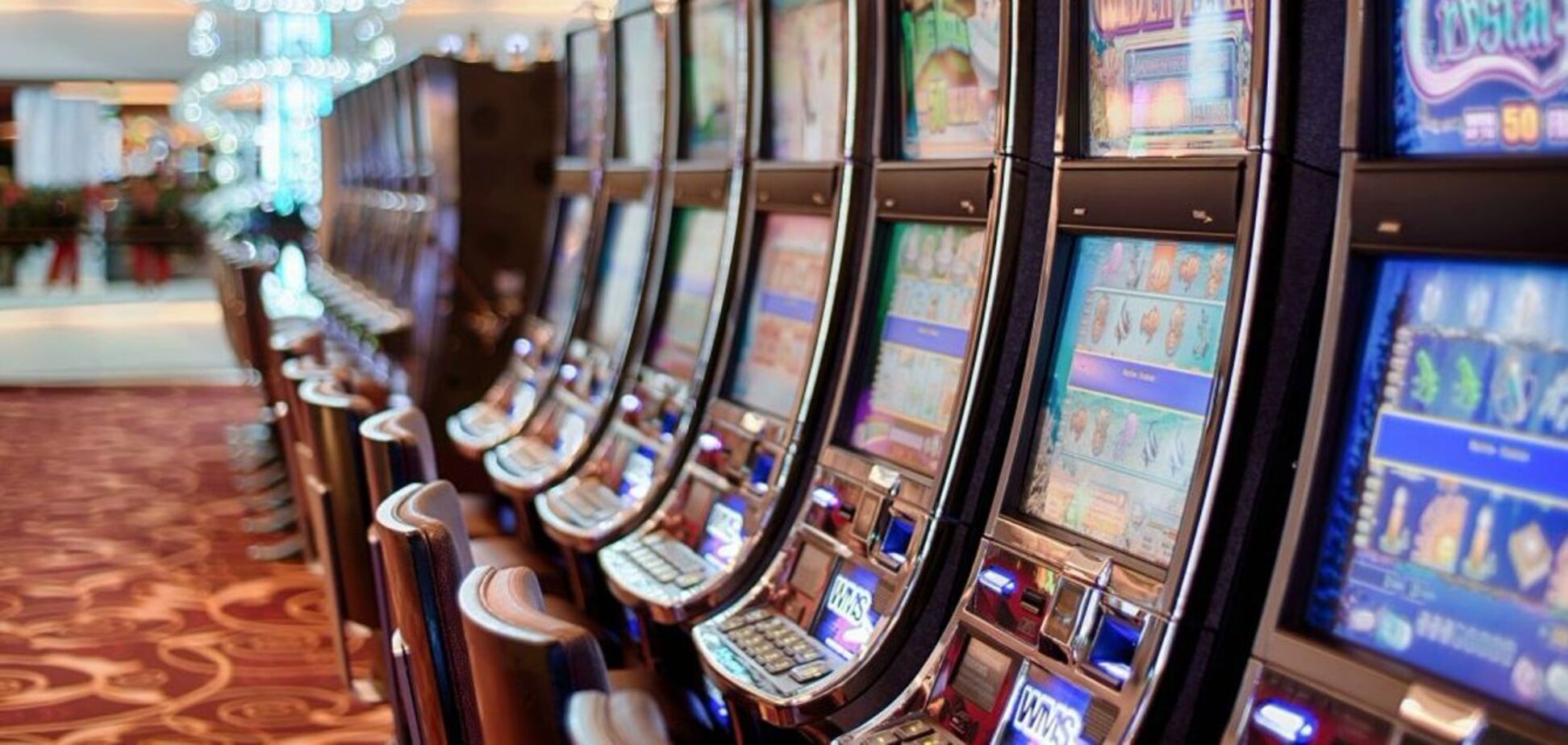
Moreover, the interplay of skill and luck extends beyond individual games. Many players develop a personal gaming style that incorporates elements of both. For instance, someone may shift their strategy based on their perception of luck during a game or simply find joy in the randomness of luck itself. This blend of skillful decision-making and reliance on luck can create a more enriching and exciting experience in the casino, reinforcing the importance of understanding each aspect’s role in achieving favorable outcomes.
Mentality and Its Impact on Luck
The mental state of players can significantly affect their perception of luck and how they approach gambling. A positive mindset can lead to a more enjoyable experience, enhancing the belief that luck is on one’s side. Many players report that when they are relaxed and having fun, they tend to win more often, attributing their success to an increased state of luck. This psychological boost can create a self-fulfilling prophecy, where confidence influences decision-making and outcomes in the casino.
On the contrary, a negative mindset can create a cycle of bad luck. Players feeling anxious or frustrated often make rash decisions, such as betting more aggressively in the hopes of recouping losses. This behavior usually leads to further losses and can result in a heightened perception of being unlucky. The relationship between mindset and luck is profound, emphasizing the importance of mental well-being for a rewarding gambling experience.
Additionally, the social environment within the casino can influence individuals’ beliefs about luck. Interactions with other players, dealers, and the overall atmosphere can shape the perception of luck. A communal feeling of excitement when a player wins can create contagious energy, making others feel that luck is in the air. Such dynamics underscore the importance of the social aspect of gambling, which can enhance the belief that luck is an active player in the casino experience.
The Statistical Reality of Luck
While luck is a fundamental concept in casino games, it’s crucial to ground this notion in statistics and probability. Each game has specific odds determined by its rules and mechanics, which dictate the likelihood of various outcomes. For instance, games like roulette have established probabilities for each bet, meaning that while a player might experience a winning streak, statistically speaking, the house advantage ensures that they will lose more often than win over time. Understanding these statistics can demystify the perceived influence of luck, emphasizing that it operates within a structured environment.

Moreover, game developers use random number generators (RNGs) to ensure fairness in games like slots and video poker. These RNGs produce results based entirely on chance, leaving little room for player influence. This technological aspect reinforces the idea of luck as a variable that exists alongside established mathematical principles. As a result, while it may seem that players are experiencing a lucky day at the casino, the reality is that they are operating within a system designed to balance both happenstance and statistical probability.
The reliance on statistics also highlights the importance of responsible gambling. Players should approach games with an understanding that while luck plays a role, the outcomes are grounded in probability. This knowledge helps foster a healthy attitude towards gambling, promoting enjoyment and minimizing the risks associated with chasing luck. By recognizing that luck is merely a piece of the larger puzzle, players can make informed choices that enhance their overall casino experience while staying aware of the risks involved.
Exploring Gaming Websites
When considering the role of luck in casino outcomes, it’s also essential to explore the role of gaming websites. These platforms have transformed how players engage with games of chance, offering a convenient way to access a wide variety of options from the comfort of their homes. While the element of luck remains the same, online casinos often provide unique features such as bonuses, promotions, and varying game types that can enhance or alter the gambling experience.
In the online gaming world, luck still plays a critical role, but players can also leverage knowledge gained from different games to improve their odds. Many websites provide valuable resources and tutorials that help players understand the mechanics of each game, allowing them to navigate their gaming sessions with more confidence. This access to information can mitigate the randomness of luck, giving players the tools they need to make educated decisions.
Additionally, online gaming platforms often foster communities where players can share their experiences and strategies, further influencing perceptions of luck. Through forums and chat features, players can engage with others, discussing their own lucky streaks or the strategies they’ve employed with varying results. This communal sharing can shape how players perceive luck and its impact on their outcomes, ultimately enriching the online gaming experience.